
"polished coffee beans"
1000 article(s) found

Introduction to the processing methods of coffee beans from growing to picking raw beans and ripe beans
The growth process of coffee beans introduces the natural treatment of raw coffee beans (dry processing): also known as drying processing. After the coffee berries are fully ripe, they will fall from the tree. After natural drying, the coffee beans will come out of the coffee berries and become mature coffee beans. This is probably the earliest way to process coffee beans. Later, this method evolved into drying processing.

Coffee common sense what is the processing of coffee beans
There are two ways to prepare coffee beans for the baking process. The method chosen has a significant impact on the final value and quality of coffee. The cheapest method of processing is called drying, which is used for lower-grade coffee beans, while higher-quality coffee beans are processed by wet treatment. Drying is used for unwashed coffee beans. Wet treatment used for thorough cleaning or semi-cleaning.

Fine Coffee Science explains the processing of coffee beans in detail
There are two ways to prepare coffee beans for the baking process. The method chosen has a significant impact on the final value and quality of coffee. The cheapest method of processing is called drying, which is used for lower-grade coffee beans, while higher-quality coffee beans are processed by wet treatment. Drying is used for unwashed coffee beans. Wet treatment used for thorough cleaning or semi-cleaning.
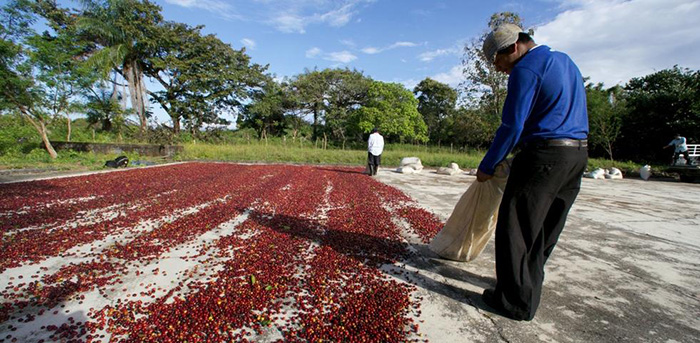
Processing of coffee beans which method is suitable for different coffee beans
There are two ways to prepare coffee beans for the baking process. The method chosen has a significant impact on the final value and quality of coffee. The cheapest method of processing is called drying, which is used for lower-grade coffee beans, while higher-quality coffee beans are processed by wet treatment. Drying is used for unwashed coffee beans. Wet treatment used for thorough cleaning or semi-cleaning.
The origin of the history of lattes in coffee
The first person to add milk to the coffee was Kochsky of Vienna, who also opened the first coffee shop in Vienna.

Espresso powder filling technique espresso filling method espresso filling procedure
Professional coffee knowledge exchange more coffee bean information please follow the coffee workshop (Wechat official account cafe_style) if you want to consistently make a good espresso, you need to have an excellent tamping. This video tutorial will serve as a getting started guide. Follow the steps below to practice. Through practice, your espresso will get better and better. Good condition and stability are you.
Processing methods of Coffee beans in Coffee Encyclopedia
1. The processing method chosen by the processing method has a significant impact on the final price and quality of coffee. The first step in processing coffee beans is to dry them. There are two specific methods, the most whole-family processing method is called drying, which is used for unwashed coffee beans to produce lower-grade coffee beans, while the higher-quality coffee beans are processed by wet treatment, which is used for
The processing of coffee beans
There are two ways to prepare coffee beans for the baking process. The method chosen has a significant impact on the final price and quality of coffee. The cheapest method of processing is called "drying", which is used for lower-grade coffee beans, while higher-quality coffee beans are processed by "wet treatment".
Coffee Technology Fine Coffee Fruit Coffee Bean Processing
There are two ways to prepare coffee beans for the coffee roasting process. The method chosen has a significant impact on the final price and quality of coffee. The cheapest method is called drying, which is used for lower quality coffee beans, while higher quality coffee beans are processed by wet processing. Drying is used on unwashed coffee beans. Wet treatment is used for thoroughly cleaned or semi-cleaned

The origin of Coffee Latte milk and coffee
Fanz George Kolschitsky, a Viennese, is the founder of Cafe Latte with milk and coffee. The famous saying that I was not in the cafe was said by a musician in Vienna on the way to the cafe. The air of Vienna is always filled with the smell of music and Latte coffee. The first person to add milk to the coffee was Vivier.
Coffee processing technology Coffee beans
The fruit of dried coffee beans [Piragui in Sao Paulo, Brazil] There are two ways to prepare coffee beans for the roasting process. The method chosen has a significant impact on the final price and quality of coffee. The cheapest method is called drying, which is used for lower quality coffee beans, while higher quality coffee beans are processed by wet processing.

The processing method of Coffee Fruit
Sun-dried coffee beans [Pirajui in Sao Paulo, Brazil] there are two ways to prepare coffee beans for roasting. The method chosen has a significant impact on the final price and quality of coffee. The cheapest processing method is called drying, which is used for lower-grade coffee beans, while higher-quality coffee beans are processed by wet treatment.

Processing of coffee beans (figure)
Sun-dried coffee beans [Pirajui in Sao Paulo, Brazil] there are two ways to prepare coffee beans for roasting. The method chosen has a significant impact on the final price and quality of coffee. The cheapest method of processing is called drying, which is used for lower-grade coffee beans, while higher-quality coffee beans are processed by wet treatment.

Processing of coffee beans (figure)
Sun-dried coffee beans [Pirajui in Sao Paulo, Brazil] there are two ways to prepare coffee beans for roasting. The method chosen has a significant impact on the final price and quality of coffee. The cheapest method of processing is called drying, which is used for lower-grade coffee beans, while higher-quality coffee beans are processed by wet treatment.

Knowledge of high-quality coffee beans processing of coffee beans
There are two ways to prepare coffee beans for coffee roasting. The method chosen has a significant impact on the final price and quality of coffee. The cheapest method of processing is called drying, which is used for lower-grade coffee beans, while higher-quality coffee beans are processed by wet treatment. Drying is used for unwashed coffee beans. Wet treatment for thoroughly washed or semi-washed
Boutique Coffee Science explains the processing of coffee beans in detail
There are two ways to prepare coffee beans for coffee roasting. The method chosen has a significant impact on the final price and quality of coffee. The cheapest method of processing is called drying, which is used for lower-grade coffee beans, while higher-quality coffee beans are processed by wet treatment. Drying is used for unwashed coffee beans. Wet treatment for thoroughly washed or semi-washed
Processing of coffee beans processing methods of high-quality coffee beans
There are two ways to prepare coffee beans for coffee roasting. The method chosen has a significant impact on the final price and quality of coffee. The cheapest method of processing is called drying, which is used for lower-grade coffee beans, while higher-quality coffee beans are processed by wet treatment. Drying is used for unwashed coffee beans. Wet treatment for thoroughly washed or semi-washed
Processing of coffee beans production of coffee beans
Sun-dried coffee beans [Pirajui in Sao Paulo, Brazil] there are two ways to prepare coffee beans for roasting. The method chosen has a significant impact on the final price and quality of coffee. The cheapest processing method is called drying, which is used for lower-grade coffee beans, while higher-quality coffee beans are wet-treated.

What are the processing methods of coffee beans? Drying and washing method
There are two ways to prepare coffee beans for coffee roasting. The method chosen has a significant impact on the final price and quality of coffee. The cheapest method of processing is called drying, which is used for lower-grade coffee beans, while higher-quality coffee beans are processed by wet treatment. Drying is used for unwashed coffee beans. Wet treatment for thoroughly washed or semi-washed

This article will take you into the world of coffee, a complete introduction to fine coffee.
Most Arabica coffee beans mature from June to August and Robart coffee beans from September to October. Therefore, although in some countries where the dry and wet seasons are not obvious, such as Colombia and Kenya, there are two flowering periods a year, that is, two harvests, strictly speaking, only once a year. Due to different regions, the harvest time is also different. North of the equator (eg Ethiopia